
The Necessity of Academic and Workshop Training in Literary Translation
 Oct 16, 2026
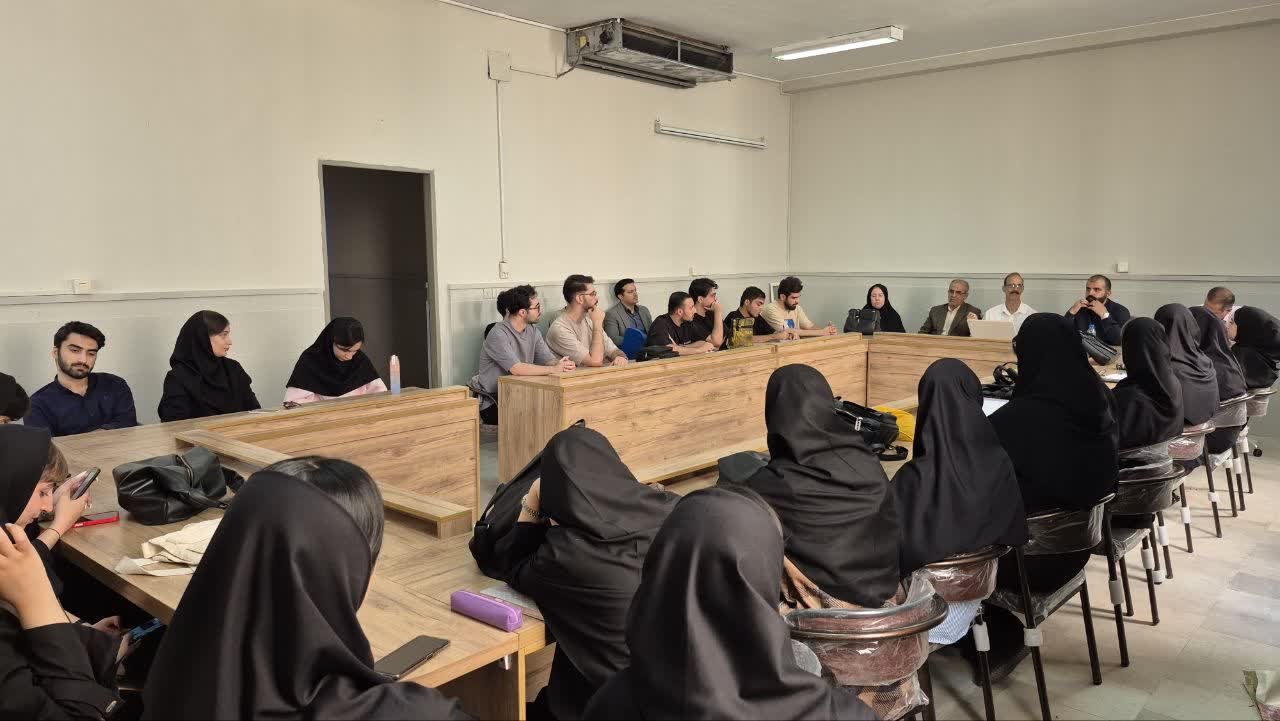
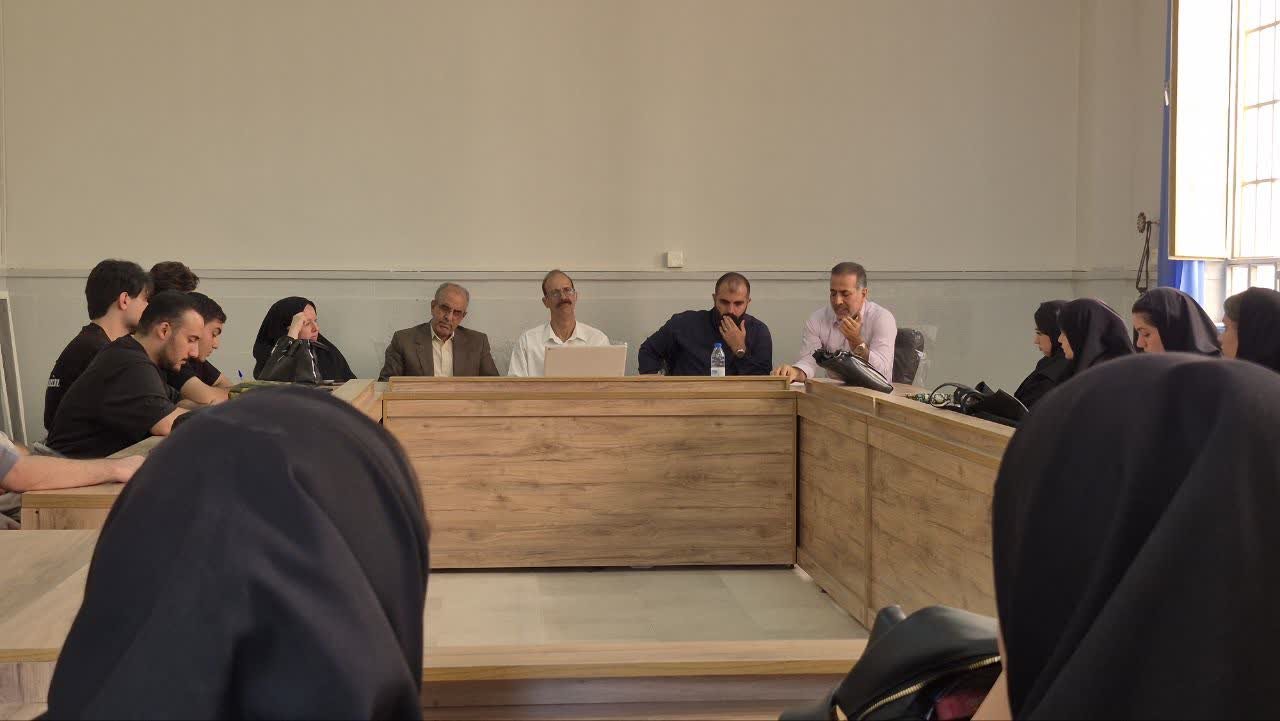
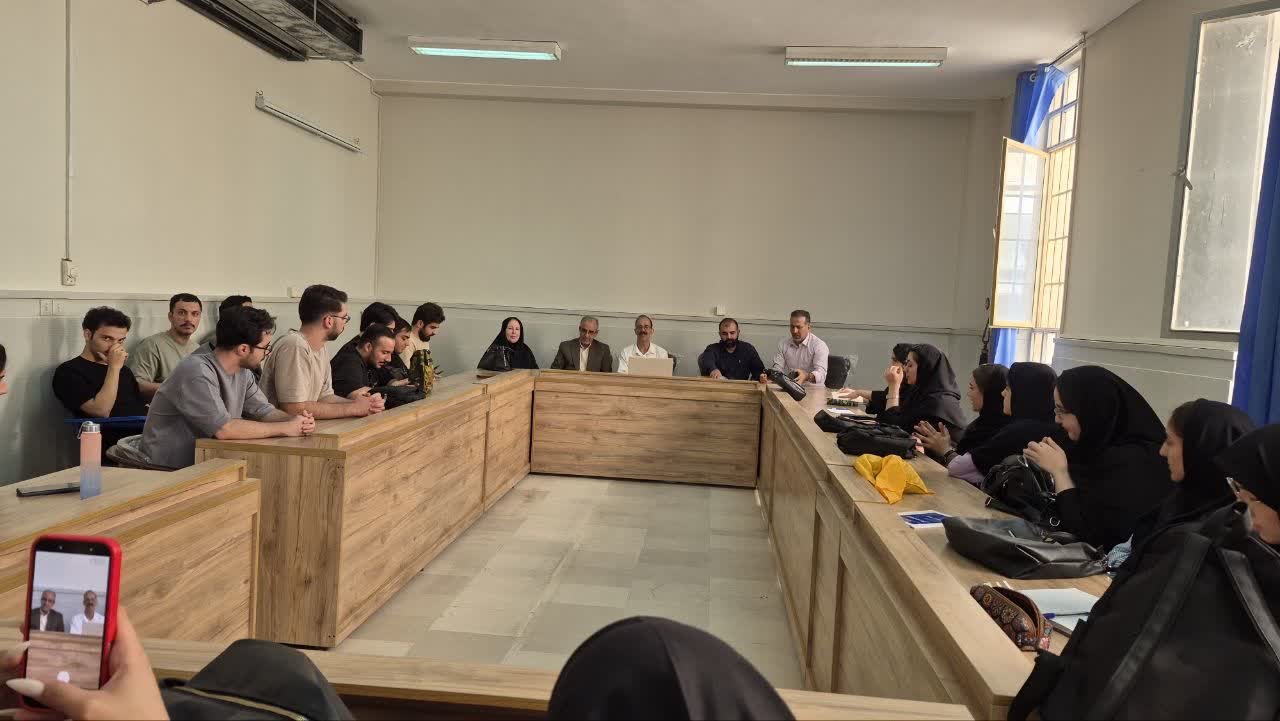
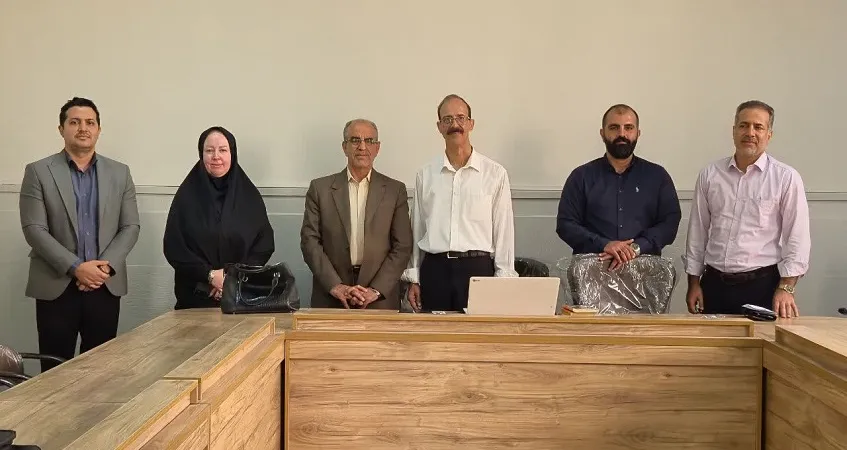
An academic and promotional lecture on examining the challenges and opportunities of translating novels from English to Persian, with an emphasis on the necessity of integrating academic and workshop training, was held, presented by Dr. Nozhat Niazi, a faculty member of the English Language Department at Lorestan University.
According to the Public Relations of Lorestan University, in this lecture, which was attended by students, Dr. Niazi analyzed and explained the process of literary translation, especially novel translation, and the main themes of the discussions were presented in two sections: challenges and opportunities.
Challenges:
_ Cultural and contextual differences: The difficulty of transferring cultural concepts, colloquialisms, and implicit humor from the source language to the target language, which sometimes leads to the loss of a part of the original text's spirit.
_ Author's stylistics: Adhering to the author's writing style, narrative tone, and sentence rhythm is one of the most difficult tasks for a novel translator.
_ Lexical polysemy: Selecting the precise equivalent for words that have multiple meanings in the source language requires a high level of proficiency from the translator in both languages.
Opportunities:
_ Enrichment of the target language: Translating distinguished works can contribute to enriching the vocabulary and syntactic structures of the Persian language.
_ Intercultural bridge: Novel translation provides an opportunity for Persian-speaking audiences to become acquainted with the literature, history, and ideas of English-speaking societies.
_ Translator's creativity: In cases where direct equivalence is not possible, the translator can offer innovative solutions through their creativity, which in itself leads to literary production in the target language.
Q&A
During this academic and promotional lecture, participants raised their views and questions regarding the quality of existing translations in the market, the role of artificial intelligence in literary translation, and the criteria for translation criticism.
Dr. Niazi responded to the questions and emphasized the necessity of academic and workshop training in literary translation.
It is noteworthy that Dr. Pouyan Rezapoor, a faculty member of the English Language Department at Lorestan University, Dr. Mohammad Khosravi-Shakib, a faculty member of the Persian Language and Literature Department at Lorestan University, and Dr. Gholamhossein Hosseini, a faculty member of the English Language Department at Lorestan University, were present as experts of the session and presented their perspectives on Dr. Niazi's presentation.
This academic and promotional lecture was held with the welcome and participation of students.