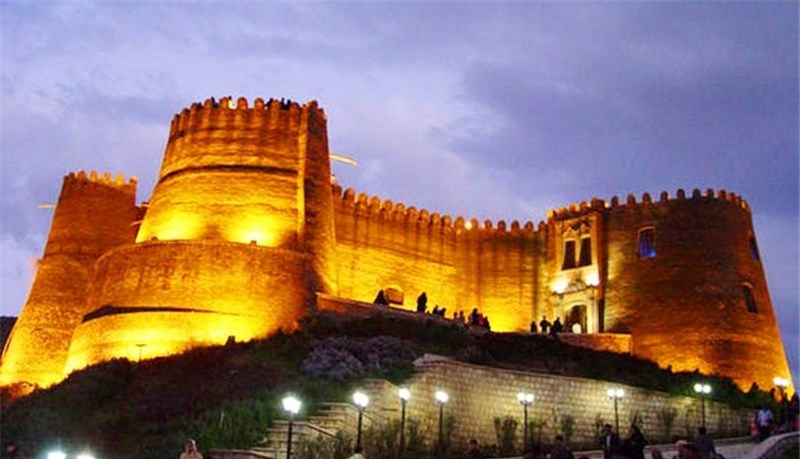

Department of History and Archaeology
Introduction to the Department of History and Archaeology
Anthropology, in its broadest definition, is the knowledge and study of humans and our humanity. In terms of subject matter, anthropology today is divided into four scientific branches: physical anthropology; cultural-social anthropology, archaeology, and linguistics. Among these, archaeology is, in terms of theory and subject matter, much closer to cultural-social anthropology. Edward Tylor in 1871 defined culture as "that complex whole which includes knowledge, belief, art, morals, law, custom, and any other capabilities and habits" acquired by humans as members of a society. Thus, while cultural-social anthropologists study living and contemporary societies and their cultures, archaeologists research past cultures and societies through the material remains – or, in common parlance, material culture – left behind by them. From this perspective, archaeology is actually a sub-branch of anthropology. Archaeology is no longer a discipline that seeks to find ancient objects, provide materials for art historical studies, and merely reconstruct the material culture of past societies, but rather its goal is to reconstruct the behavior and lives of the humans who created the ancient remains and interpret their material culture, and to understand cultural trends and anthropological interpretations of past society and culture. However, archaeologists, due to the loss of many documents and evidence, always face the great challenge of interpreting these material remains and understanding the hidden layers of human thought and behavior. Therefore, archaeology today, in order to achieve these goals, designs and implements middle range research and uses creative study methods such as ethnoarchaeology, experimental archaeology, and historical or ethnographic comparison, and in this regard, by utilizing the approaches and methods common in other sciences, from the humanities to the natural, technical, and engineering sciences, has adopted extensive solutions in sub-branches such as paleo-climatology, archaeobotany, zooarchaeology, archaeometry, and many other sciences, and has become very broad in terms of subject matter.